Official RPG Research Website
Donate to RPG Research Today!
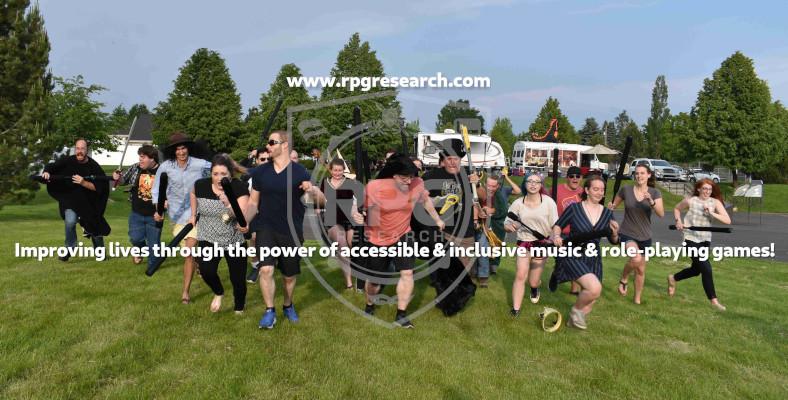
Non-profit RPG Research has been providing role-playing game community programs since 1977, researching optimizing the RPG experience since 1979, and researching the effects and uses of all role-playing game formats since 1983, and offering the world's largest free and open research repository on these topics since 2004!
Imagine a world where every dice roll breaks down barriers, and every adventure builds skills for life! 🎲✨
RPG Research has been doing this magic, impacting over 10,000 lives annually through the power of role-playing games. But here’s the quest - we need YOUR help to keep the magic alive! 🚀
Our headquarters are based in Spokane, Washington USA, but the impact of our programs, supporting our Mission and Vision fostering a better world for all, is realized across 6 continents every year!
🏠 Just $20/month from 200 heroes like YOU keeps our Spokane RPG Community Center open, creating a safe haven for 1,600+ local individuals, and many thousands more online, annually. 🌟
Or just $40k/yr from a generous benefactor keeps the community center open for a full year to the public!
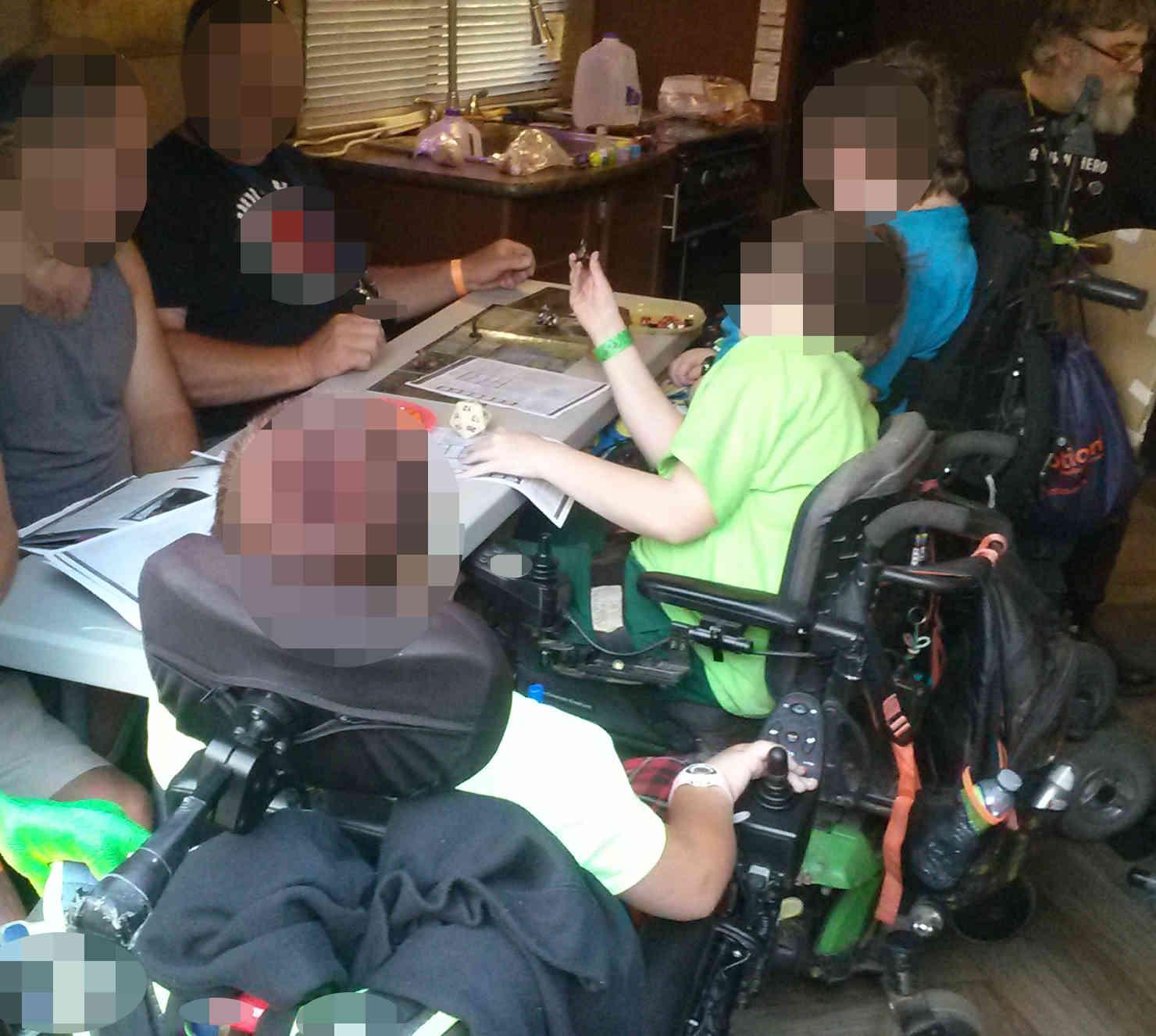
Or, $50/month ensures our wheelchair accessible mobile environmental stimuli controlled facilities continue to bring joy and learning to thousands more people in diverse communities across the USA! 🚗💨
Every $10/month you donate, directly impacts 30+ people!
🌎 Your support isn’t just a donation; it’s a key that unlocks potentials, enhances social skills, and builds inclusive communities across 6 continents, and beyond! 🗝️🌈
🎉 Plus, join our donor community and be celebrated across our platforms, events, and in every life story your support writes. 📜✨
RPG Research's hundreds of volunteer staff and our founder Hawke Robinson, have been providing role-playing game community programs across six continents, since 1977, researching optimizing the RPG experience since 1979, researching the effects and uses of all RPG formats since 1983, using RPGs for educational purposes since 1985, using RPGs with incarcerated and high-risk populations since 1989, and researching the use of role-playing games to improve bio-psycho-socioemotional functioning and quality of life, and sharing all of this online since 2004.
Since 2017 the 501(c)3 non-profit has directly improved the lives of more than 100,000 people, and indirectly millions more, across 6 continents! Since 1977 our accessible research and evidence-in-practice supported community programs have improved the quality of life and bio-psycho-social functioning of participants for many thousands of people from ages 2 through senior adults, and everyone in between.
👉 Dive into the adventure NOW and become a hero in someone’s real-life story at Patreon or Paypal. 🛡️🚀
🤝 Together, let’s roll for change and create epic tales of impact! 🎲💖
West-Central Spokane RPG Research Drop In and RPG at Spark Central:
ABOUT RPG RESEARCH
100% Volunteer-Run 501(c)3 Non-profit Charitable role-playing game Research & Human Services Organization Providing the Benefits of Role-Playing Games & Community Programs Since 1977!
About Us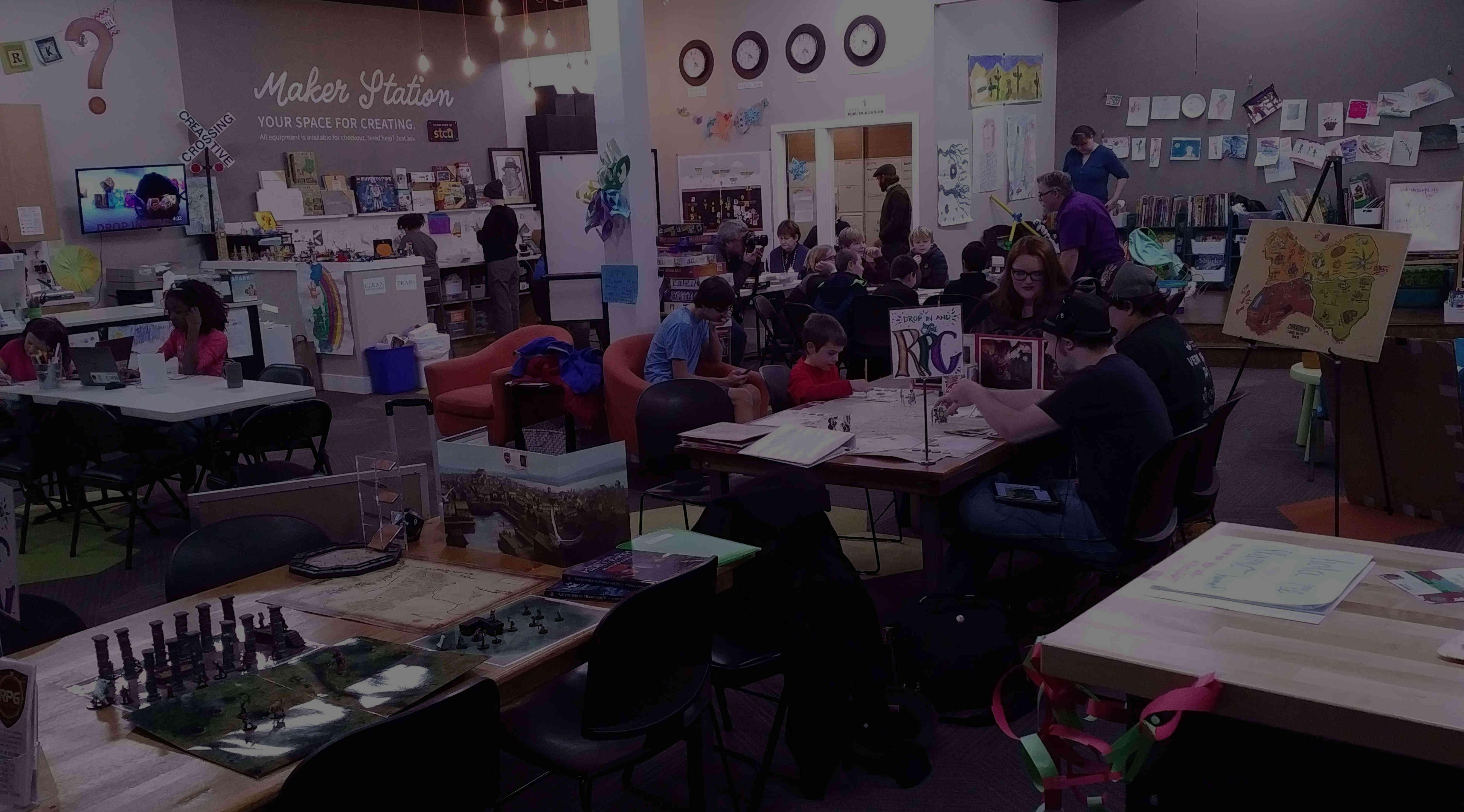
ROLE-PLAYING GAME COMMUNITY PROGRAMS
We have been providing the joy and benefits of role-playing gaming community programs since 1977 at libraries, hobby stores, schools, community centers, parks, online, and many other locations. Including wonderful relationships with Spark Central, School Districts, Parks & Recreation, and many others!
LEARN MORE ABOUT OUR COMMUNITY PROGRAMS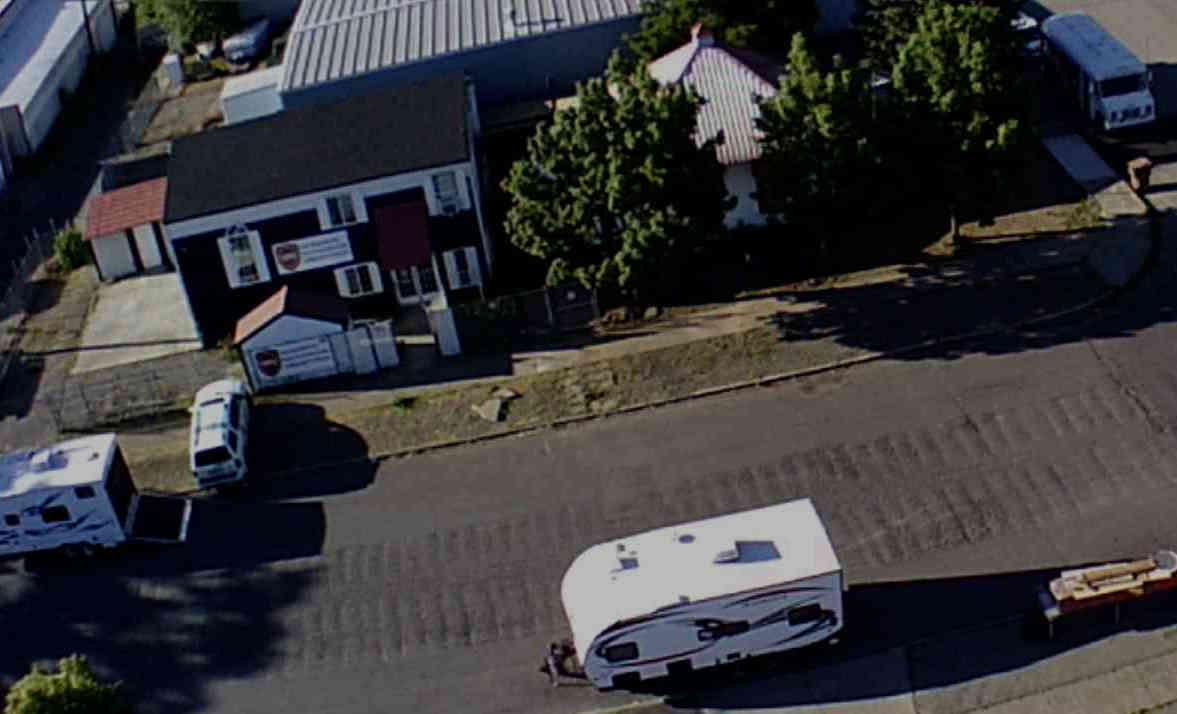
THE ROLE-PLAYING GAME COMMUNITY CENTER
The Role-Playing Game Community Center is a very accessible facility dedicated to providing the benefits of role-playing games (TRPG) to children ages 4 to 12, teenagers 13-17 years old, adults 18-64 years old, and senior adults 65-100+ years old. We actively support participation for people with mobility, grasping, vision, hearing, developmental, and other challenges.
MORE ABOUT THE RPG COMMUNITY CENTER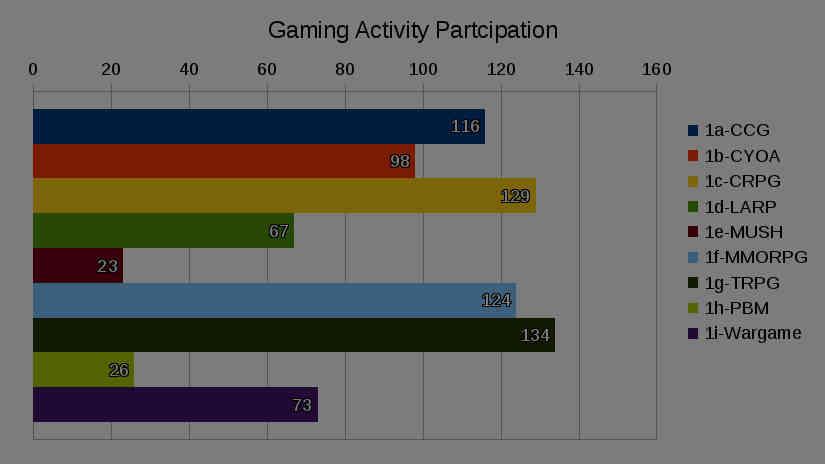
RPG RESEARCH'S KNOWLEDGEBASE
We Provide the World's Largest Free & Open Knowledgebase on the effects of Role-Playing Gaming. With over 10,000 content items and counting, including useful content available nowhere else in the world.
ACCESS THE KNOWLEDGEBASE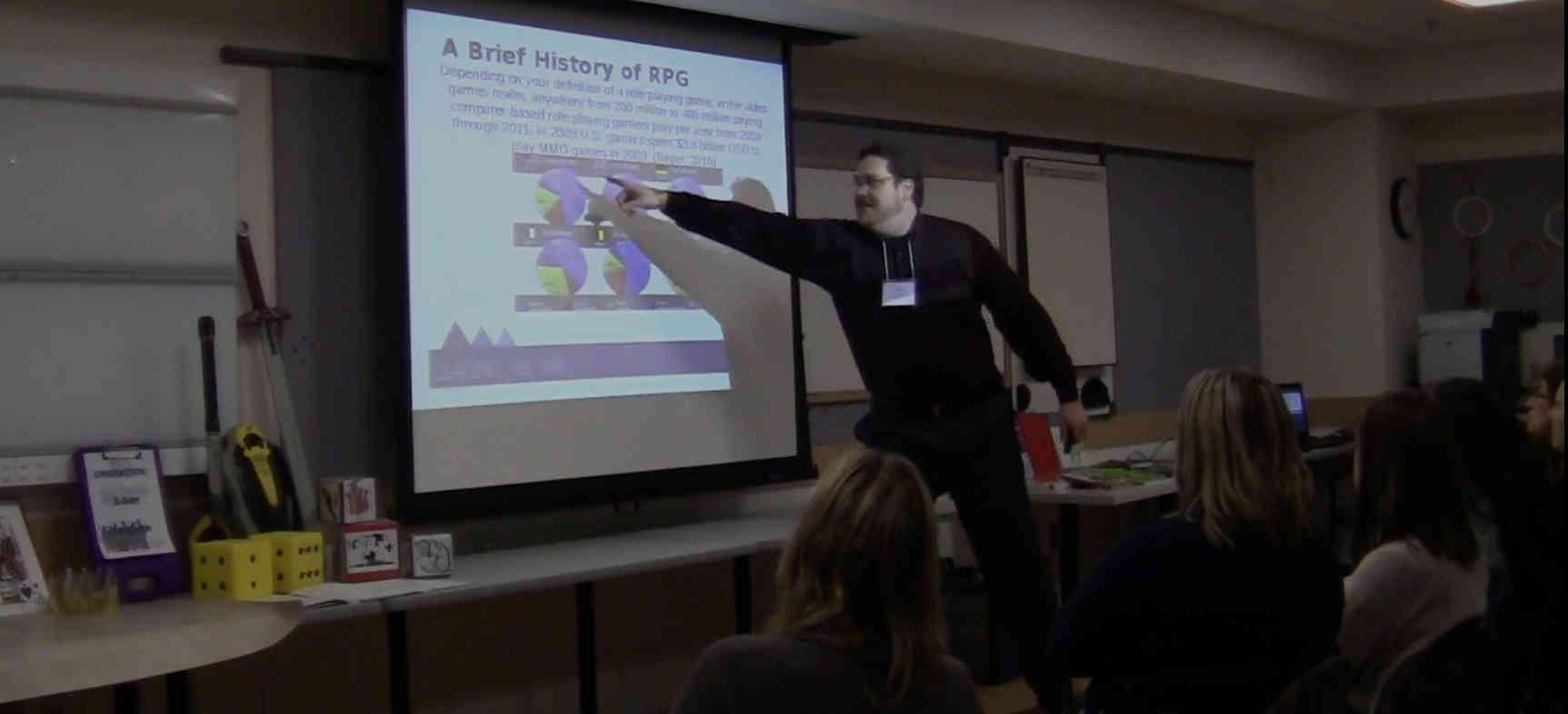
RPG SKILLS TRAINING FROM BEGINNERS TO MASTERS
We offer 20 levels of the most extensive free RPG training programs to our volunteers. See a summary of the extensive RPG training programs we provide for free to our dedicated volunteers. This free training costs more than $20k USD per level at other organizations.
LEARN MORE ABOUT OUR RPG VOLUNTEER TRAINING PROGRAMS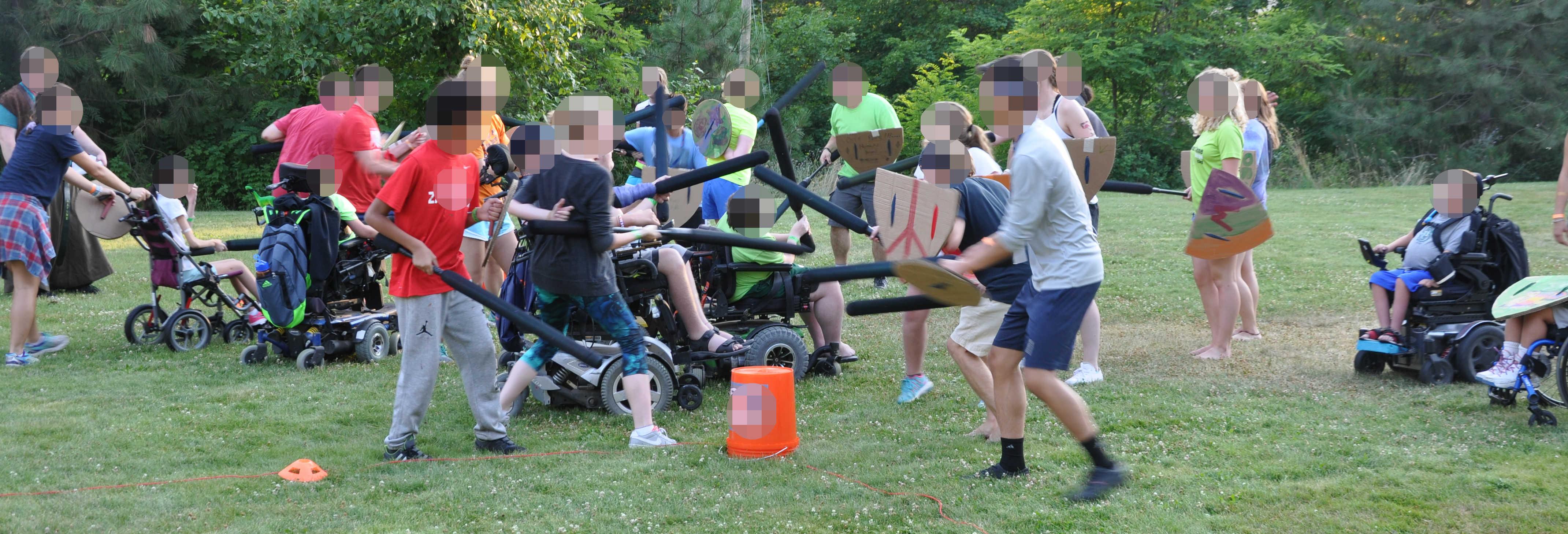
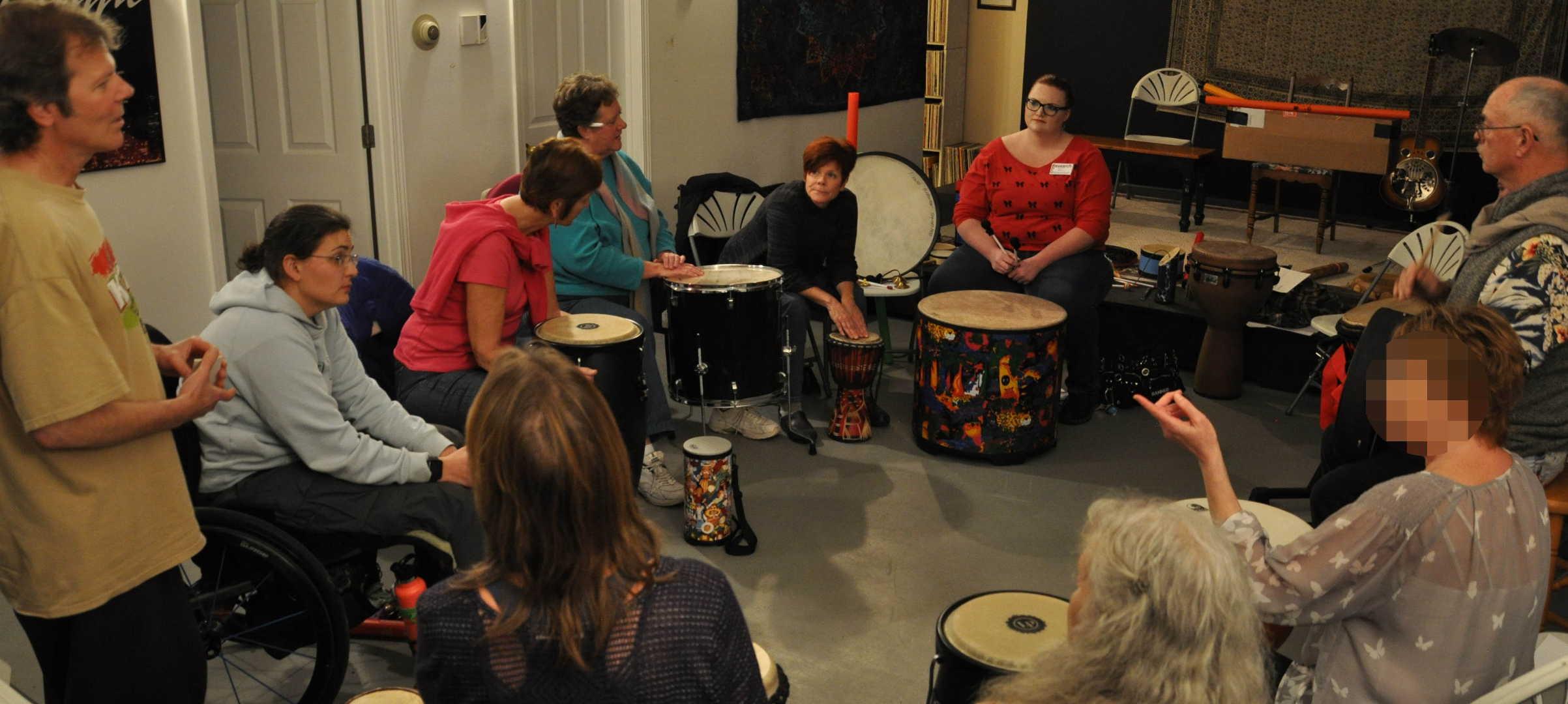

Dragon Talk Book by Greg Tito and Shelly Mazzanoble Includes Whole Chapter on RPG Research
We had a wonderful experience on the Wizards of the Coast Dragon Talk show hosted by Shelly Mazzanoble and Greg Tito. They recently published a book with some of their favorite guests and we are so honored and humbled to learn that they included us with a whole chapter about our endeavors! You can buy the book everywhere, here is a link to purchase it through Amazon. If you use the smile.amazon.com link and select RPG Research as your charity of choice, then a small percentage your purchase is donated to the non-profit RPG Research. Available as eBook on Kindle, Audio book on Audible, or as paperback. We are mentioned on pages 63 through 67 in the chapter "RPG Road Tripping with Hawke Robinson and John Welker".
Dragon Talk Book on Amazon.comROLE-PLAYING GAME COMMUNITY PROGRAMS
We have been providing the joy and benefits of role-playing gaming community programs since 1977 at libraries, schools, community centers, parks, online, and many other locations. Including wonderful relationships with Spark Central, School Districts, Parks & Recreation, and many others
This page provides a brief summary of just a few of our key community programs.
Our roots begin in 1977 through RPG Research's Founder and Executive Director, Hawke Robinson, known by professional peers, introduced at professional conferences and fan conventions, as "the Grandfather of Therapeutic Gaming. He has been tracking and involved in the therapeutic and educational application of role-playing games longer than anyone else.” -- Adam Johns, Game to Grow, Executive Director, Lead Facilitator, 2018.
Please see our Events Calendar Page for the most up to date upcoming programs.
See our Community Page for a list of other programs available from us, various partners, and other organizations that may be of interest to you in your region.
See RPG Research Program Photos with highlights from our programs.
Upcoming Programs
- Upcoming programs
- Brain-Computer Interface RPG (BCI RPG)
- Cooperative Open Music Jams
- Drop In & RPG Online
- Drop In & RPG Mobile
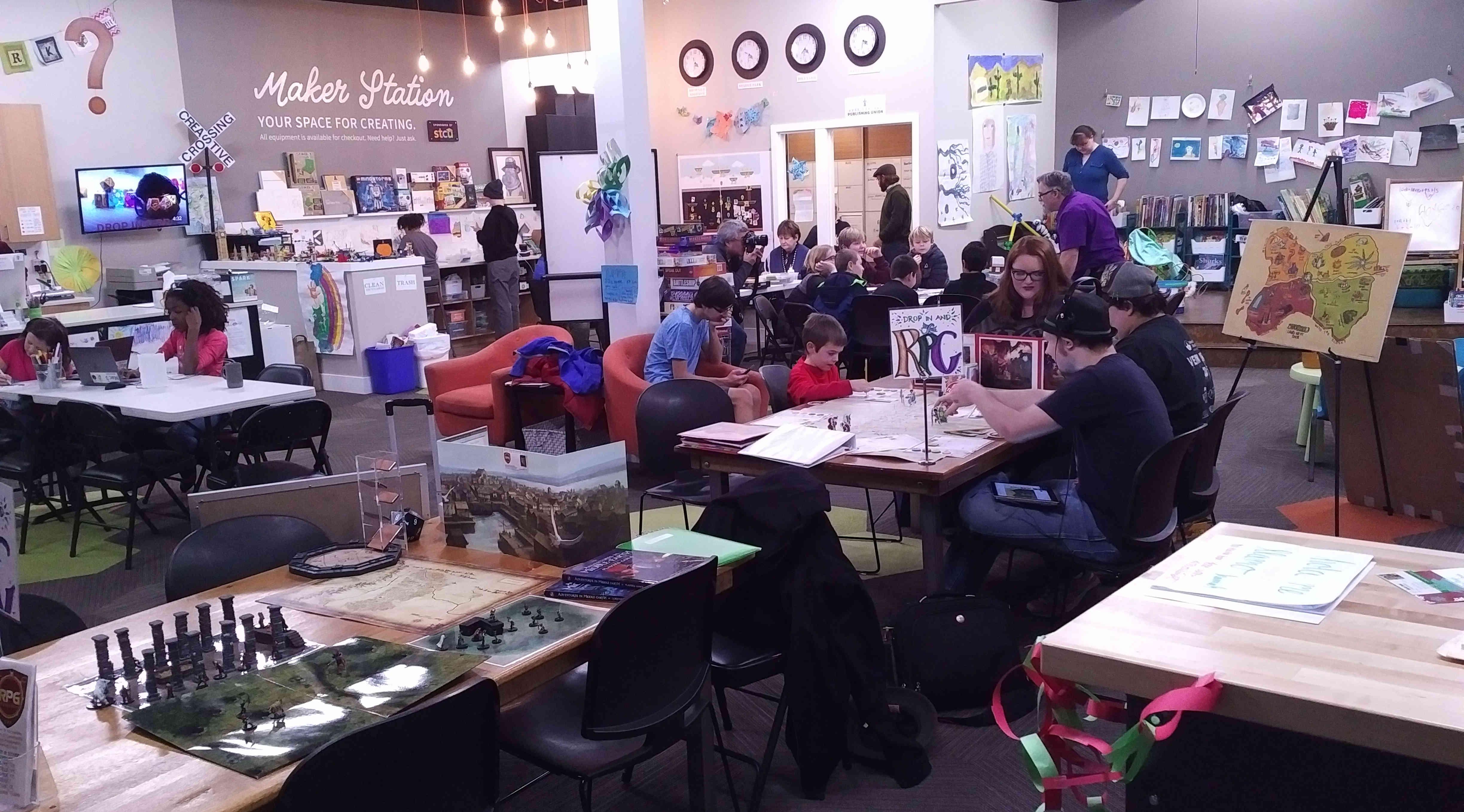
- Drop In and RPG Spark Central Community Center
- American Sign Language Study Group
- American Sign Language Role-Playing Game Group
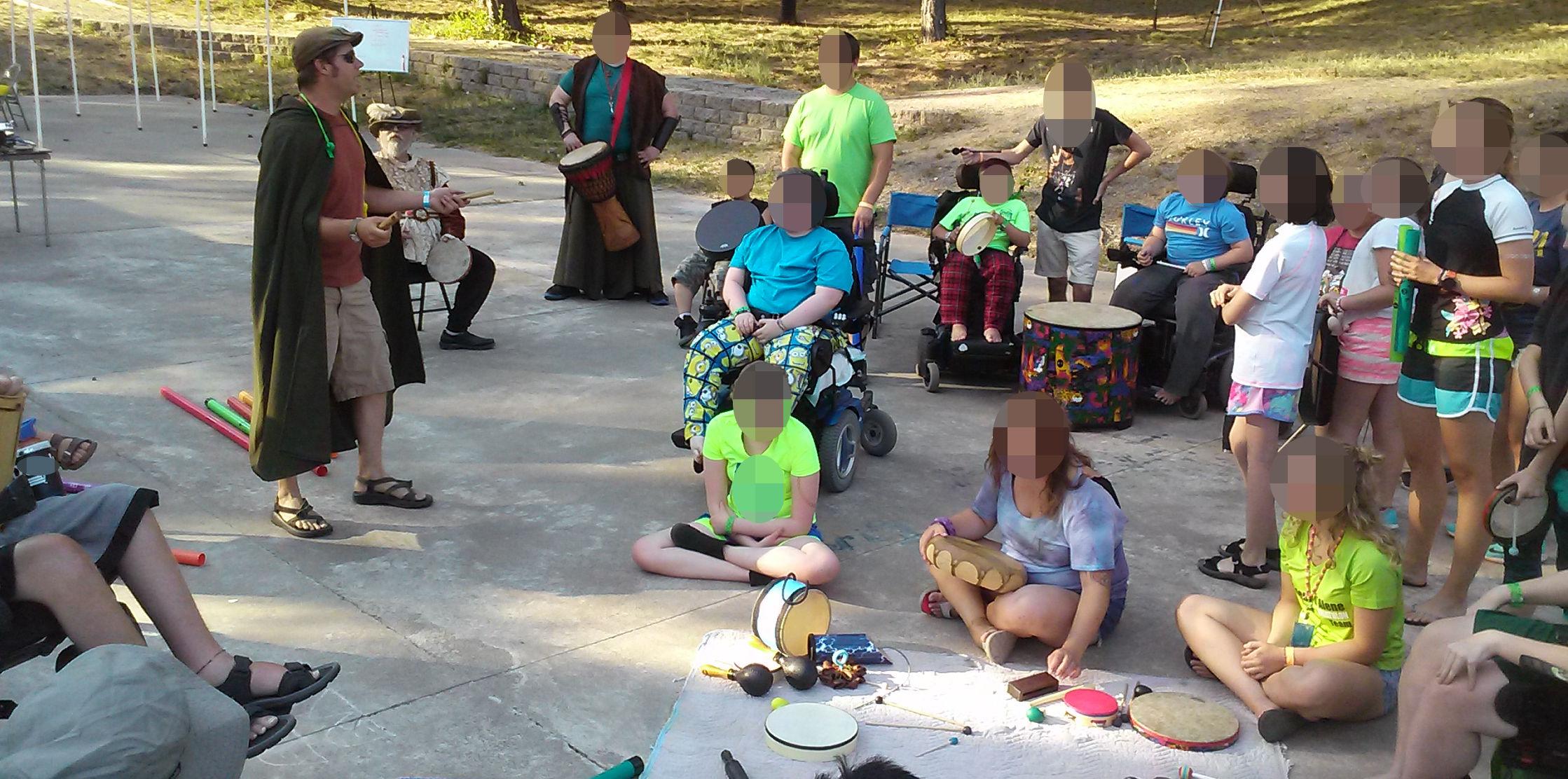
- Drum Circles
- Drum Circle Facilitator Workshops
- GenCon (annual)
- Halloween with Cthulhu (annual)
- Paranoia New Year (annual)
- RPG Advocacy Training
- RPG Accessibility Training
- RPG Theory Training
- RPG Researchers weekly meeting
- RPG Research Archivists weekly meeting
- RPG Retreats (annual)
- RPG Tour (annual, sometimes several in one year)
- RPG Weekly Training for players and GMs
- RPG Workshop intensives for Players
- RPG Workshop intensives for Game Masters
- SpoCon (annual)
- TolkienMoot (annual)
- RPG Conference (annual)
Previous Programs
- Spokane County Libraries Drop In and RPG
- Spokane School District RPG programs
- GenCon Indianapolis and GenCon Online
- ZoeCon
- SpoCon
- TolkienMoot
- Northeast Youth Center (NEYC)
- Fantastic Fun For All: Extreme Medieval Sports
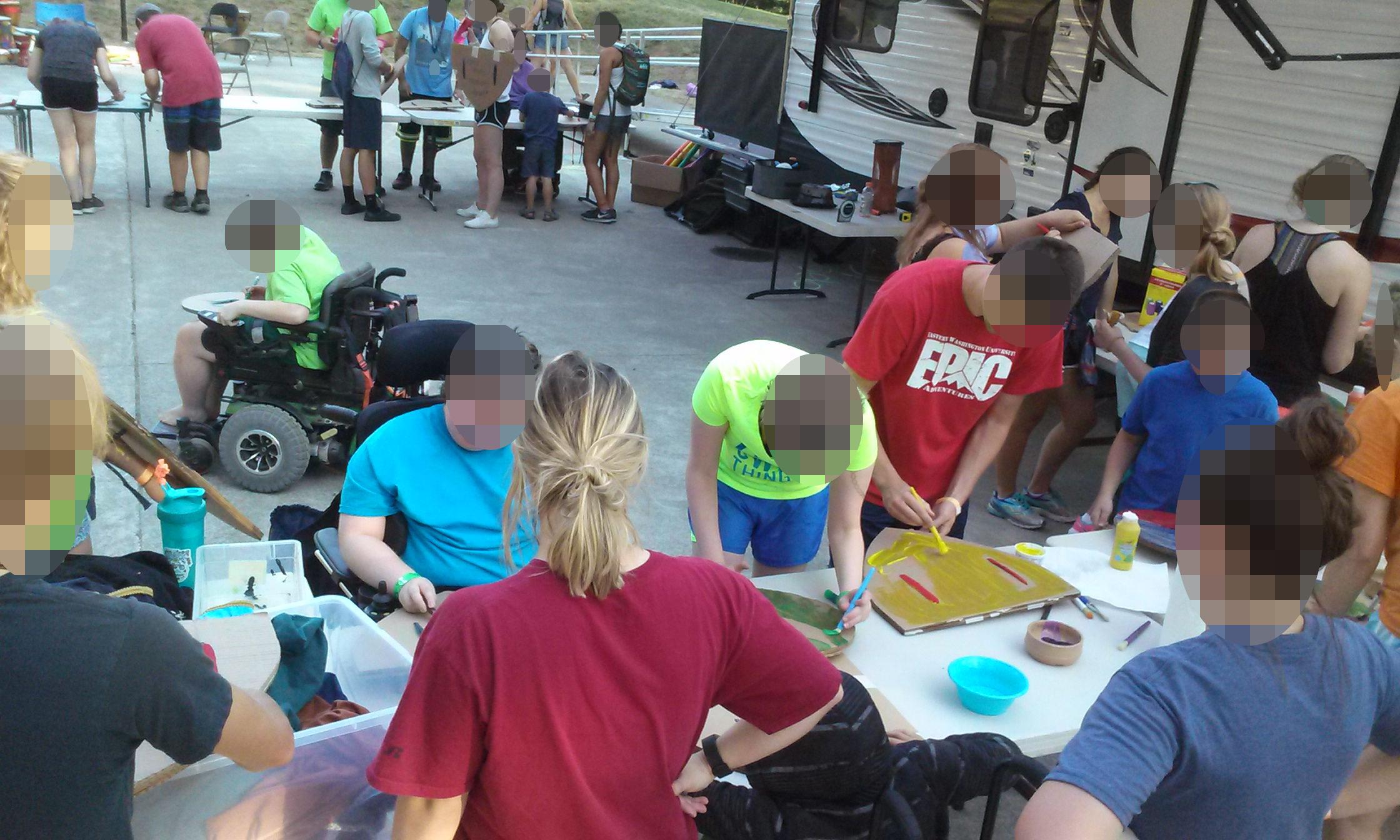
- Muscular Dystrophy Summer Camp: Battle Royale TRPG / Combat Boffer Larp and Quest Adventure TRPG / Larp
- Navos Mental Health (King County, WA)
- Eastern Washington University
- Washington State University
- American Therapeutic Recreation Association (Nevada and online)
- Pacific Northwest Therapeutic Recreation Association (Portland, OR)
- Washington State Therapeutic Recreation Association (Seattle Children's Hospital, Wenatchee, Cheney, & Bellingham)
- Spokane Play Therapy Community
- Boy Scouts of America
- Spokane Music Therapy Community
- PAVE Autism Spectrum families program (Seattle & Tacoma, WA)
- Campfire USA
- Domino Project ASD / PDD
Learn more about the Role-Playing Game RPG Therapy Industry
Learn more about the Role-Playing Game RPG Professional Services Industries
THE ROLE-PLAYING GAME COMMUNITY CENTER
The Role-Playing Game Community Center provides tabletop role-playing games (TRPG) for teenagers 13-17 years old, and adults 18+ years old. During public access hours we offer the community multiple rooms and tables of role-playing games for a wide variety of interests, genres, systems, settings, play styles, abilities, developmental levels, and ages. See our long list of games we offer to the community.
Stories About the Wonderful Impact Our Programs Have On People

THE WORLD'S LARGEST FREE & OPEN KNOWLEDGEBASE ON THE EFFECTS OF ROLE-PLAYING GAMING
RPG Research's Knowledgebase is the world's largest free and open knowledgebase on the effects role-playing games for a wide range of populations from 2 years old through senior adults, and their potential uses to achieve recreational, entertainment, educational, therapeutic, and professional goals. With over 10,000 content items and counting, including useful content available nowhere else in the world.

Extensive Free RPG Skills Training for All Our Volunteers
Our volunteers receive freely receive the world's most comprehensive role-playing game training for players, game masters, and aspiring professionals. We offer 20 levels of training programs. See a summary of our RPG training programs we provide for free to our dedicated volunteers.
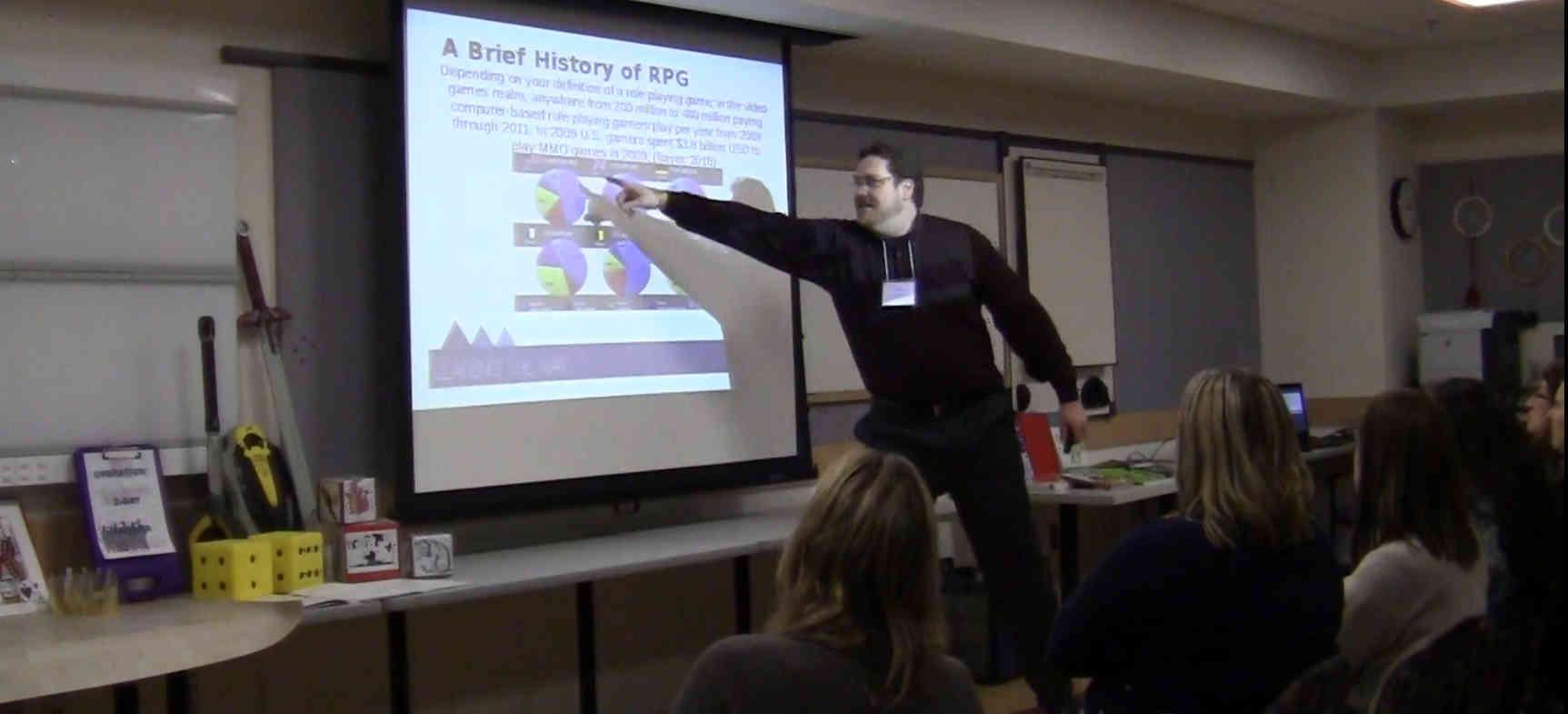
COMMUNITY RPG TRAINING WORKSHOPS
See the list of example workshops we periodically offer to the public as fundraisers. If you are looking for even more intensive training, based on our 45 years of research and evidence-in-practice, see the for-profit RPG.LLC's workshops.

ACCESSIBLE GAMING AND ACCESSIBILITY ADVOCACY
We are huge accessibility advocates, and do all we can to make role-playing games more accessible. Not only through training and adaptive devices in our community programs, but also in our active accessibility advocacy efforts to change the RPG industry to be more accessible. In addition to more accessible and adaptive equipment, when our volunteer staffing permits, we provide ASL RPG for the Deaf & Hard of Hearing (HoH), as well as adapted games for Blind and Visually Impaired.
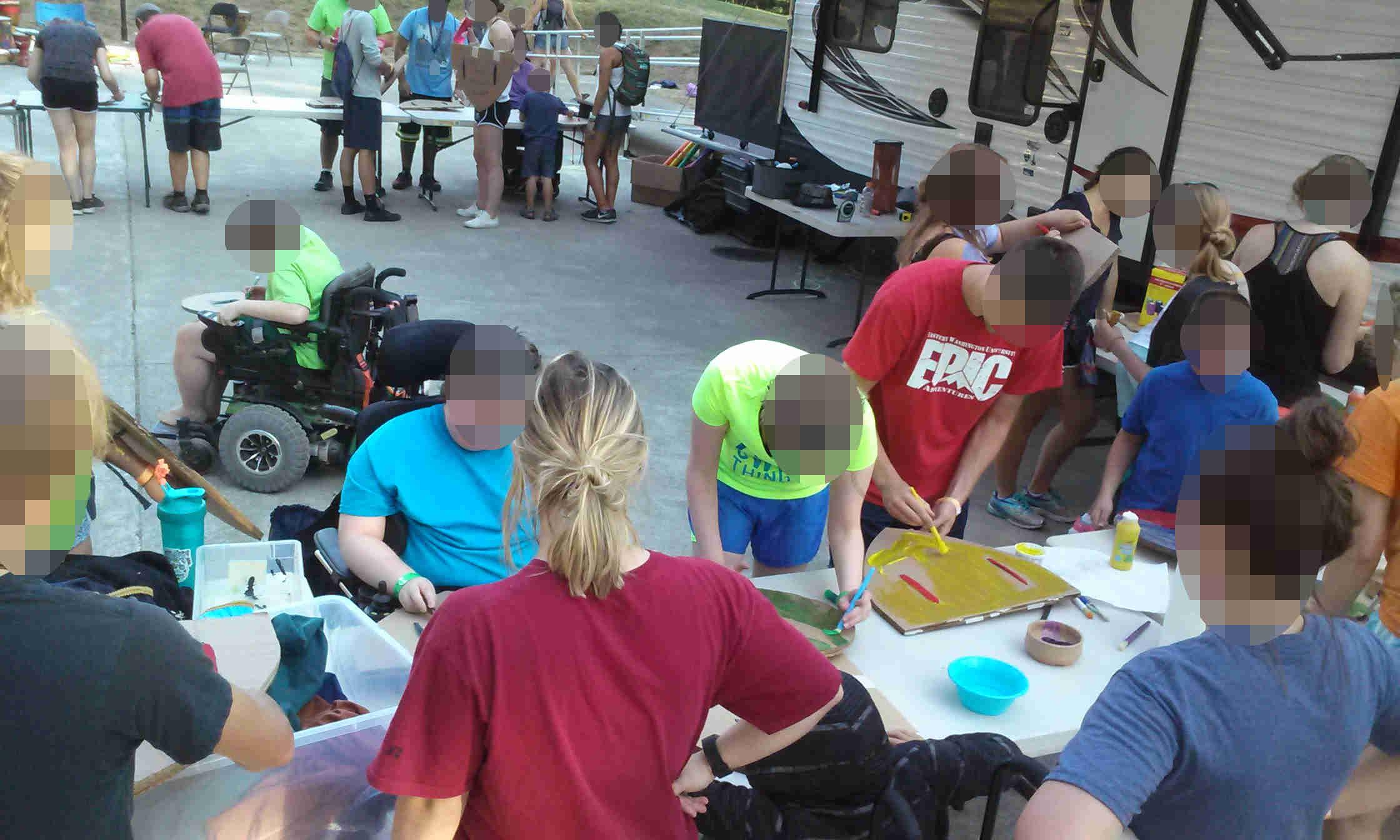
BRAIN-COMPUTER INTERFACE RPG OPENSOURCE PROJECT
Imagine being able to play social, cooperative role-playing games with just your brain. The ultimate in accessibility, and potentially future enhancements to RPG immersion experiences. Join the opensource efforts to create the ultimate in accessible and immersive social, cooperative, online role-playing gaming, through the BCI RPG Project. All levels of interest are welcomed to help with the development, testing, QA, debugging, design, and more. Many of the volunteers are aspiring game designers/developers, currently in-school, or just graduated and need some real-world application experience. Lead by people with 30+ years of development experience.
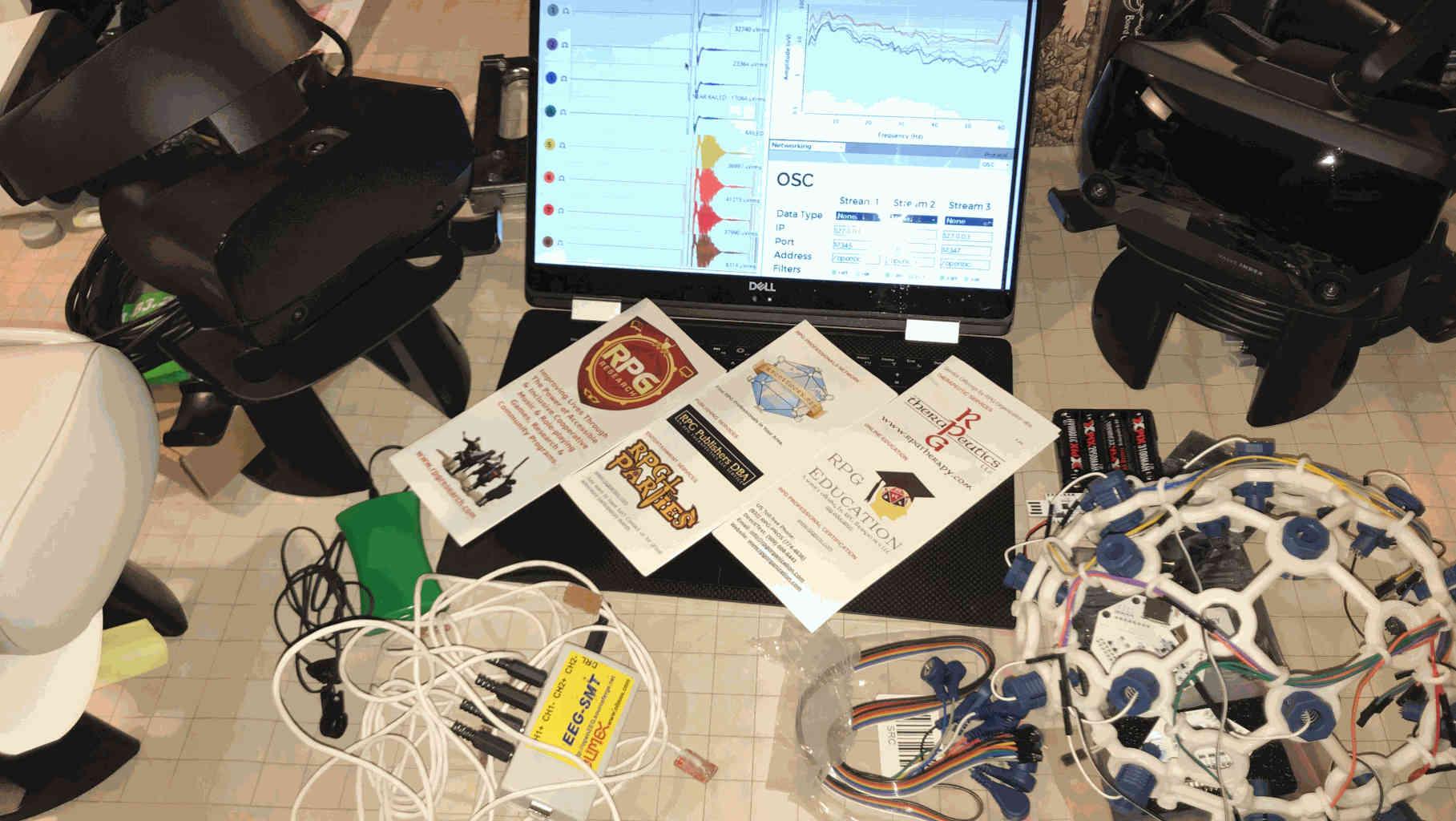
LARGE VARIETY OF GAMES
We offer a huge variety of games. Ranging broadly tabletop, live-action, and electronic role-playing games. We offer an extensive range of:
Role-Playing Gaming for Health
Hero Trainer App

Free Game Rewards For Any Exercise.
Join thousands of gamers in earning free gift cards across all consoles and platforms.
Whether its transforming your hero by walking, completing quests, or competing in the Guild Leaderboards, the Hero Trainer App makes it fun to stay fit.
LIVE STREAMS AND RECORDED SHOWS
We offer a wide range of live streaming shows and recorded shows, including but not limited to:

ROLE-PLAYING GAME MUSEUM
Depending on donations and volunteer hours, we hope to have the new RPG Museum available by the end of 2022, or early 2023. This is costs us a small fortune to make the property secure enough, and environmentally controlled enough, to fully protect the huge RPG historical collection we have, and make it safe to open to the public. This costs to protect this rare historical collection, and the insurance for a museum collection of unique, hard-to-find, or irreplaceable items is extremely high. We need you donations more than ever just to cover the insurance to make our collection available to the public. We have thousands of items related to the history of all role-playing game formats, many of which are available no where else in the world! Additional donations will enable us to turn this into a fully experiential learning hands-on museum, not just a rare collection. How far we can take it, depends on you. You can help us make the museum better available to the public sooner by donating today!
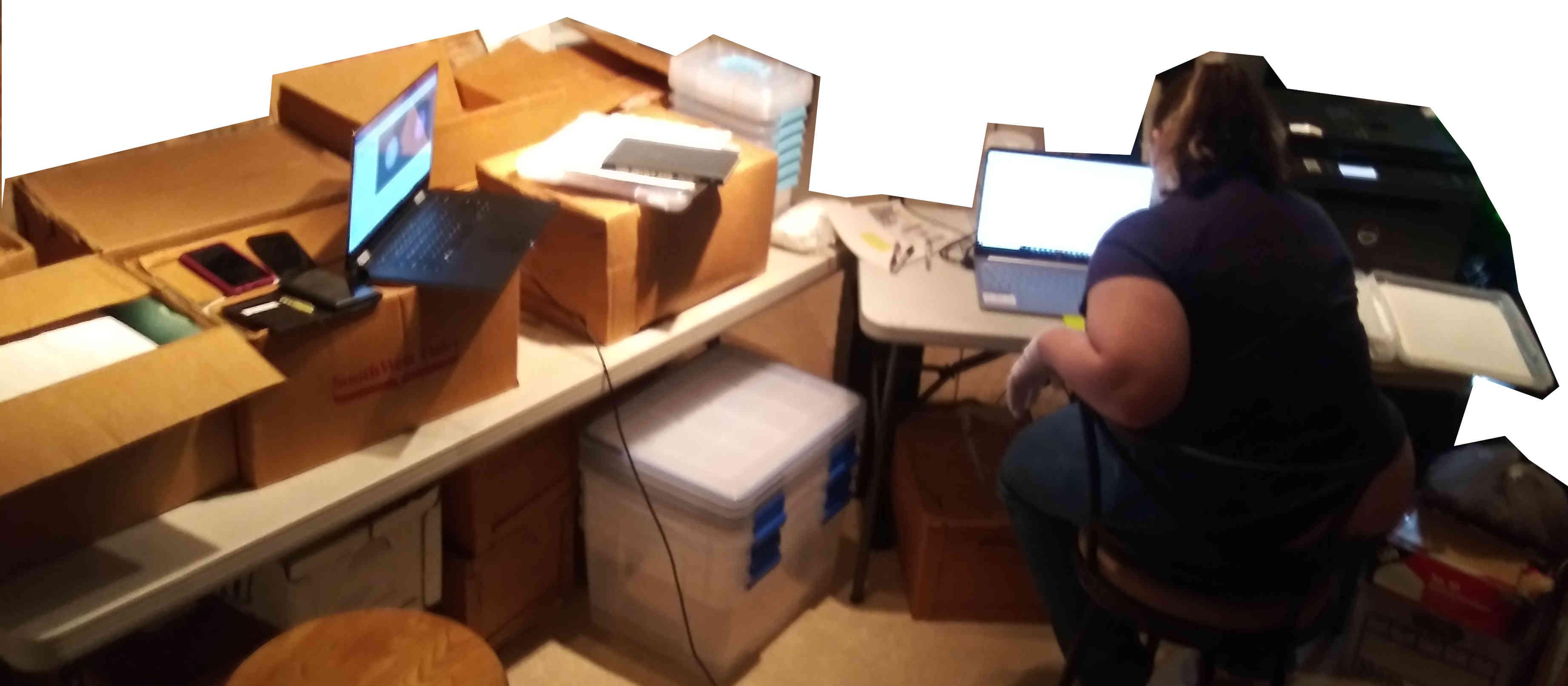
EVERY DOLLAR YOU DONATE TO RPG RESEARCH DIRECTLY BENEFITS AT LEAST 3 PEOPLE IN THE COMMUNITY. DONATE TODAY!
Donate to RPG Research's Role-playing Game Research and Community Center today. Help us cover our rent, utilities, insurance, and operating expenses, and we'll do the rest. Unlike all too many "non-profits", we are 100% volunteer-run. This means we keep our administrative costs to the bare minimum and your donations really have a direct impact on helping us provide our programs that directly benefit the communities and people we serve.
None of our staff, founders, board of directors, or any other members receive any financial compensation, they all help as a labor of love because they see how powerfully positive an impact RPG Research has on humanity everywhere.
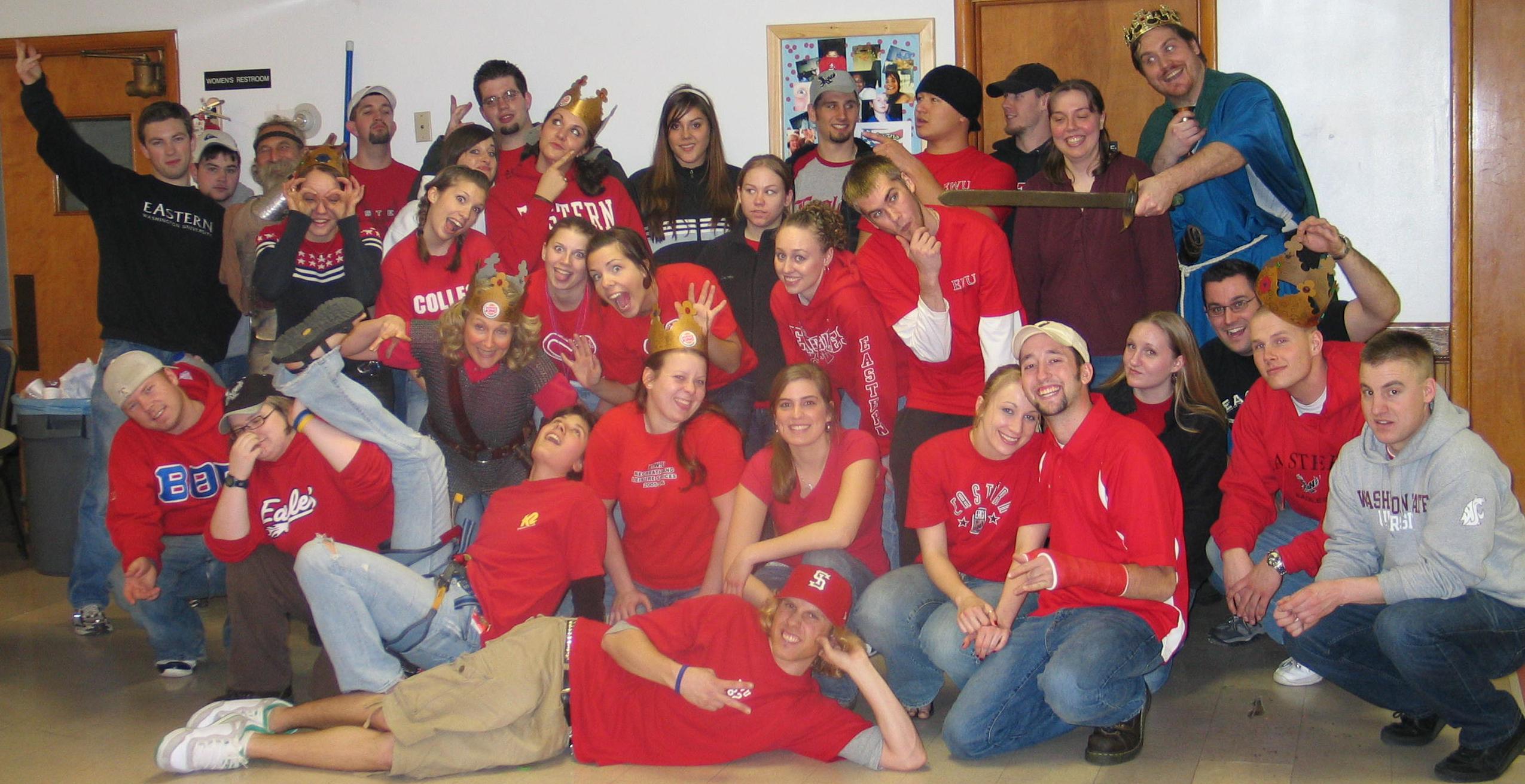
RPG Mobile - Mobile Accessible RPG Bus and RPG Trailers
Providing mobile role-playing game facilities through the RPG Mogile: RPG Bus and RPG Trailers.
Learn More About the RPG Mobile
Other GenCon TV Episodes
GenConversations: RPG Research Hawke Robinson - GenCon TV - GenCon Roundtable: GenConVersations - Socializing Distantly & General Well Being
Topics:
GenConTV - Gen Con Roundtable: GenConVersation - Mental Health And Socializing Distantly
Topcs:
Table Takes Episodes
2019
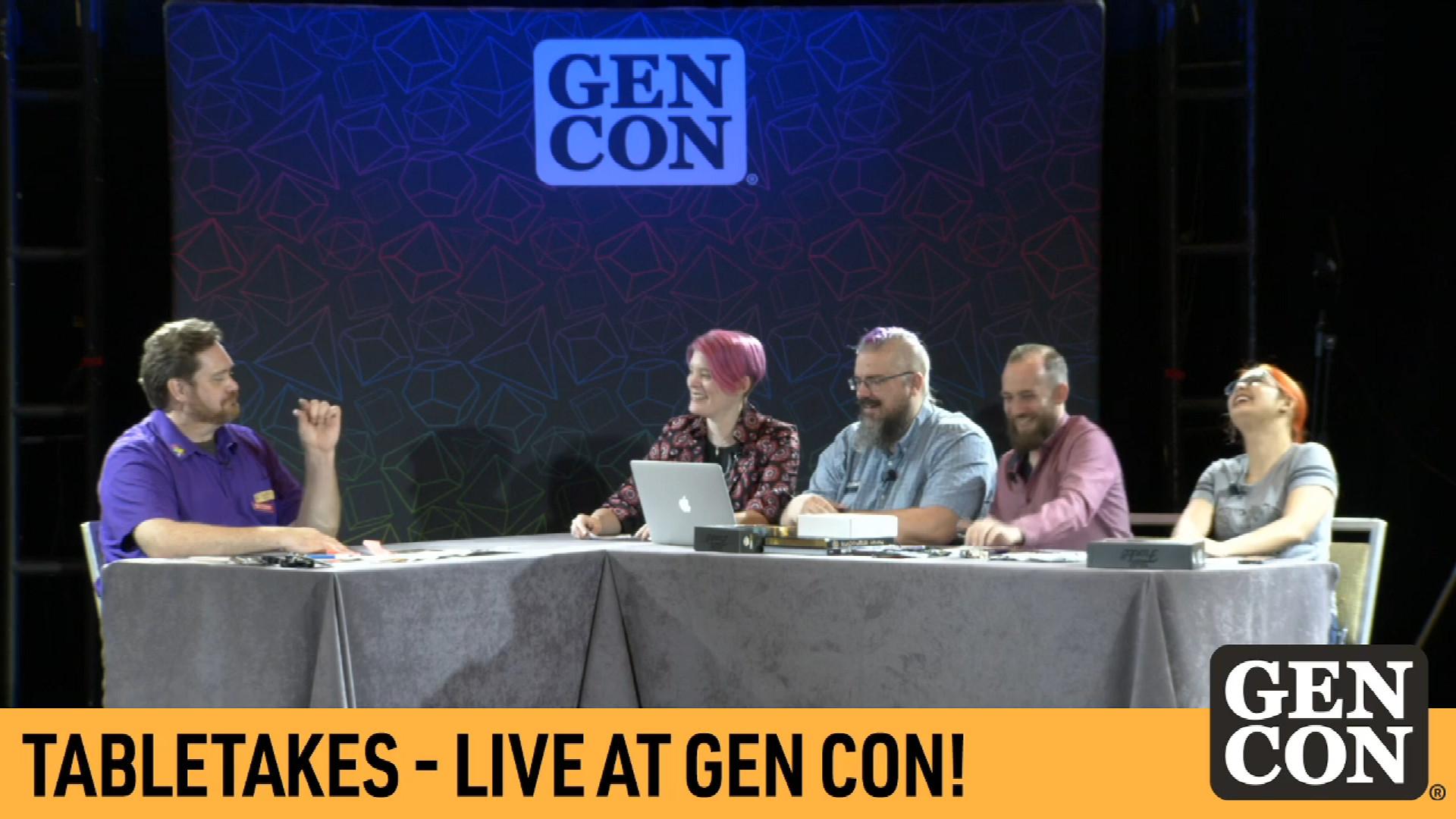
GenCon 2019 Live - TableTakes at GenCon TV - Granfather of Therapeutic Gaming - Role-Playing Games in Prison and Incarcerated populations
Summary: Join the hosts of our weekly news & talk show for their takes on the convention, the latest, news, and the hottest releases. From Gen Con 2019. Broadcasted live on Twitch -- Watch live at https://www.twitch.tv/gencontv
Topics:
TableTakes: Live at Gen Con 2019 Hawke Robinson RPG Research Role-Playing Games for Social Good
RPG Research's Hawke Robinson will be on #GenConTV #TableTakes show Nov 29 & Dec 6 at 11 am PST, for #RpgsForSocialGood, #RpgEducation, #RpgTherapy, #AppliedRPG, #Cubicle7 dropping of #Tolkien #RPG line, history of #TolkienGaming, updates on #AccessibleRPG,
August 2019 Topics:
Summary: This week's topics include Wizards of the Coast receives criticism for LGBTQ representation in Magic novels, new Psionic subclasses in Unearthed Arcana, Cubicle 7 ceases publication of Lord of the Rings RPGs, new 'Secret Lair Drop Series' for Magic: the Gathering, and Hawke Robinson from RPGResearch joins the cast to talk about psychological effects of RPG mechanics and more! TableTakes is a weekly tabletop news and talk show streamed live on twitch.tv/gencontv from Chaldea Studios at 11 am Pacific each Friday. Hosted by Emma Larkins, Derek Guder, Banzai and Hawke Robinson. #GenConTV #TableTakes #TabletopNews -- Watch live at https://www.twitch.tv/gencontv
Topics:
2020
GenCon TV Table Takes with RPG Research Hawke Robinson
January 3rd, 2020:
RPG Research Hawke Robinson Neurodiversity in Gaming and more!
February 7th, 2020 Topics Discussed (begins at )
Links/References:
Summary: This week's topics include Wizards of the Coast announces 'Signature Spellbook: Chandra' for Magic: the Gathering, the impact of COVID-19 on Magic: the Gathering 'Ikora: Lair of the Behemoths' release, the Wizards Play Network Qualifiers are canceled, the impact of COVID-19 on Geek and Fandom events and industry, Paizo relaunching the RPG Superstar Contest, Vault Comics unveils 'Vampire: The Masquerade' comic series, Wingspan to be release on Nintendo Switch, the first Rick Loomis Service Award granted to Avonelle Wing, and Hawke Robinson from RPGResearch joins the cast to discuss the benefits of RPGs in relation to neurodiversity and social isolation, & more!
TableTakes is a weekly tabletop news and talk show streamed live on https://www.twitch.tv/gencontv from Chaldea Studios at 11am Pacific every Friday. Hosted by Derek Guder, Emma Larkins, Christian Doyle and Hawke Robinson.
#GenConTV #TableTakes #TabletopNews
-- Watch live at https://www.twitch.tv/gencontv
March 20th, 2020 Hawke Robinson's Topics:
RPG Research Hawke Robinson on GenCon TV Tabletakes - Overcoming Interpersonal and Societal Conflict Through the Power of Role-Playing Gaming
Summary: This week's topics include the GMT Games offering free games to those who've lost their jobs, IGDN announces nominees for the Indie GroundBreaker Awards, Warhammer 9th Edition pre-order dates & Free Core Rules, Cards Against Humanity Staff joins Chicago & Midwest Regional Joint Board Workers United, Games Announced for Free RPG Day, the ENnie Award Nominees, and Hawke Robinson leads a discussion on overcoming interpersonal and societal conflict through the power of gaming.
TableTakes is a weekly tabletop news and talk show streamed live on http://www.twitch.tv/gencontv from Chaldea Studios at 2pm Pacific every Friday. Hosted by Derek Guder, Emma Larkins, Hawke Robinson, and Banzai.
-- Watch live at https://www.twitch.tv/gencontv
#GenConTV #TableTakes #TabletopNews
July 3rd, 2020 Topics:
GenCon TV Tabletakes - Role-Playing Game Group Formation, Communication, and Dynamics with Hawke Robinson August 21st, 2020
This week's episode includes Leder Games’ 'Root' now available on Steam, The Combat Wheelchair for D&D 5E, 'Virtually Expo' by UK Games Expo begins this weekend, Asmodee USA announces 'Mournequest' board game, Warhammer 40K app launches on mobile, & Hawke Robinson from RPG Research leads a discussion about group formation and social dynamics within RPG groups!
0:00 Intro & Host Check-In 7:27 Root: Digital on Steam 12:25 Combat Wheelchair for D&D 22:12 UK Games Expo 'Virtually Expo' 23:38 Asmodee announces 'Mournequest' 24:40 Warhammer 40K mobile app 27:00 New Starter Sets for Warhammer 40K 28:35 1,700 year old game found in Norway 33:13 Special Topic: RPG Group Formation & Dynamics 1:00:20 Bundles 1:03:42 Kickstarters 1:13:28 Outro
Check out the work RPG Research is doing and ways to get involved -- https://www.rpgresearch.com/
TableTakes is a weekly tabletop news and talk show streamed live on http://www.twitch.tv/gencontv from Chaldea Studios at 2pm Pacific every Friday. Hosted by Derek Guder, Emma Larkins, Banzai & Hawke Robinson.
Fill out the Gen Con Community Survey! -- https://bit.ly/2CsZ58y Watch us live on Twitch! -- https://www.twitch.tv/gencontv Join us in the Gen Con Discord! -- https://discord.gg/gencon Follow Gen Con Everywhere! -- https://linktr.ee/gen_con
GenConTV #TableTakes #TabletopNews
August 21st, 2020 Topics:
Be A Better Cyberpunk & Holiday Gift Ideas for Gamers! | TableTakes: Tabletop News & Talk 12.11.20
This week's episode includes Asmadi Games Kickstarter game 'Good Puppers' is potentially lost at sea, the Warhammer 40K app launches free beta, alternative Cyberpunk content 'Be A Better Cyberpunk' bundle, the 'Cyberpunk by Asian Creators Game Jam', & more! The hosts also shoutout the opening of Isabella's play 'SEX by Mae West', and Emma's game 'Abandon All Artichokes' for winning the 2020 Geekdad Game of the Year, before sharing their holiday gift recommendations for gamers!
Then Hawke Robinson joins the show to discuss his new book 'RPG Professional Training Workbook" and other exciting projects happening at both RPG Research and RPG Therapuetics. For more information: https://www.hawkerobinson.com & https://www.rpgresearch.com
0:00 Intro & Host Check-In 10:10 New Kickstarter is lost at sea 14:52 Warhammer 40K app launches beta 16:55 Isabella's play 'SEX by Mae West' opens 19:41 Emma's game 'Abandon All Artichokes' wins GOTY 21:10 Be A Better Cyberpunk Bundle 27:35 Cyberpunk by Asian Creators Game Jam 28:52 Holiday Gift Ideas for Gamers 42:22 Bundles 45:15 Kickstarters 53:11 Hawke Robinson Interview 1:14:00 Outro
TableTakes is a weekly tabletop news and talk show streamed live on https://www.twitch.tv/gencontv from Chaldea Studios at 2pm Pacific every Friday. Hosted by Derek Guder, Emma Larkins, Banzai Baby & Isabella von Ghoul.
Watch us live on Twitch! -- https://www.twitch.tv/gencontv Join us in the Gen Con Discord! -- https://discord.gg/gencon Follow Gen Con Everywhere! -- https://linktr.ee/gen_con
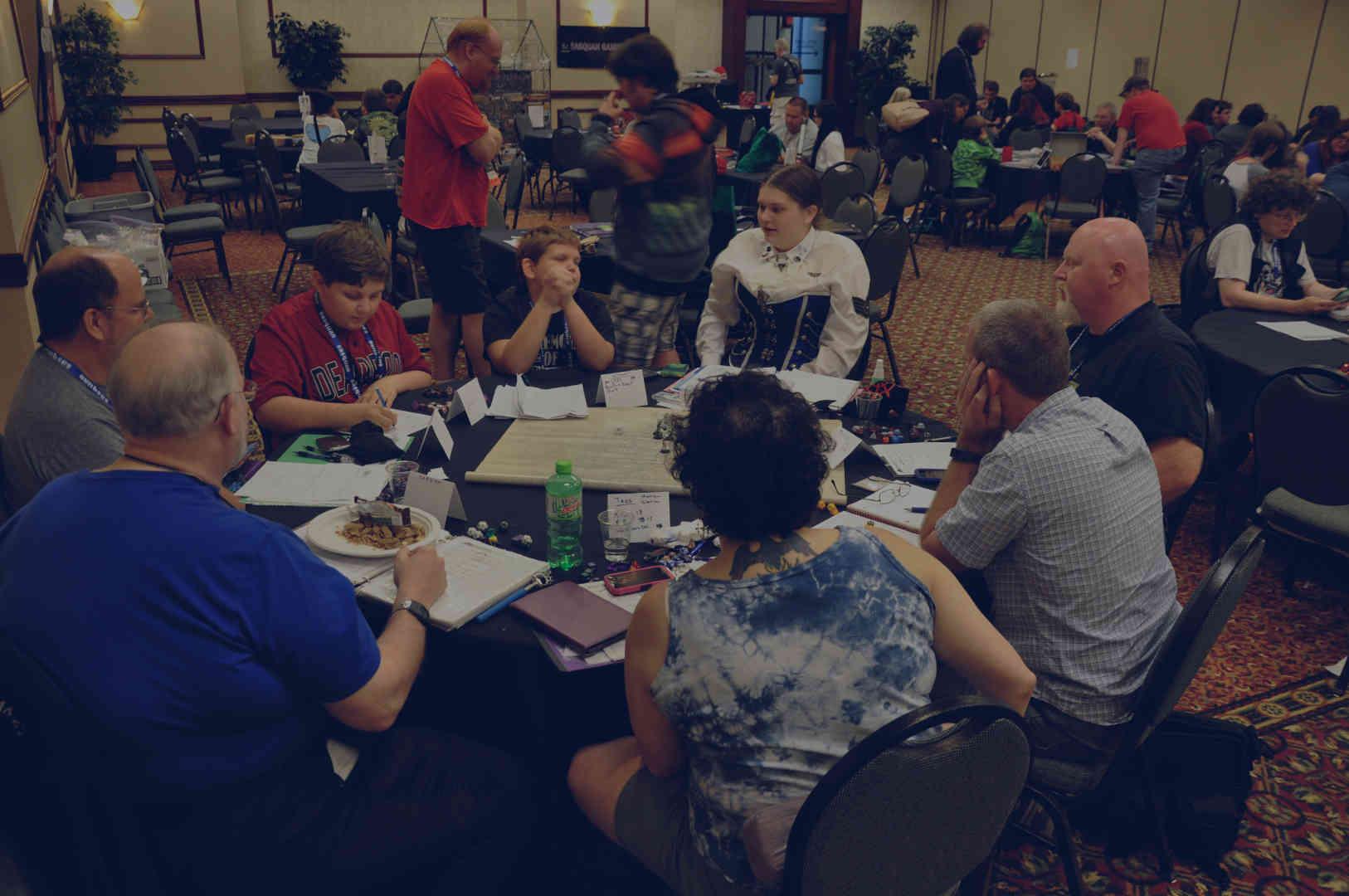
20th Anniversary of the Official Role-Playing Game Research Website
RPG Research began with our founder, "The Grandfather of Therapeutic Gaming", Hawke Robinson, beginning in 1977 with tabletop role-playing games (TRPG). This is when we began forming community programs around role-playing games at schools, libraries, parks, game stores, and many other locations. We launched the official Role-Playing Game Research Website in 2004.
1979+ Researching Optimizing the RPG Experience, ERPG and software development
In 1979 we began researching how to optimize the RPG experience for game masters and players, as well as developing electronic RPGs (ERPG), TRPG computer tools, and other software.
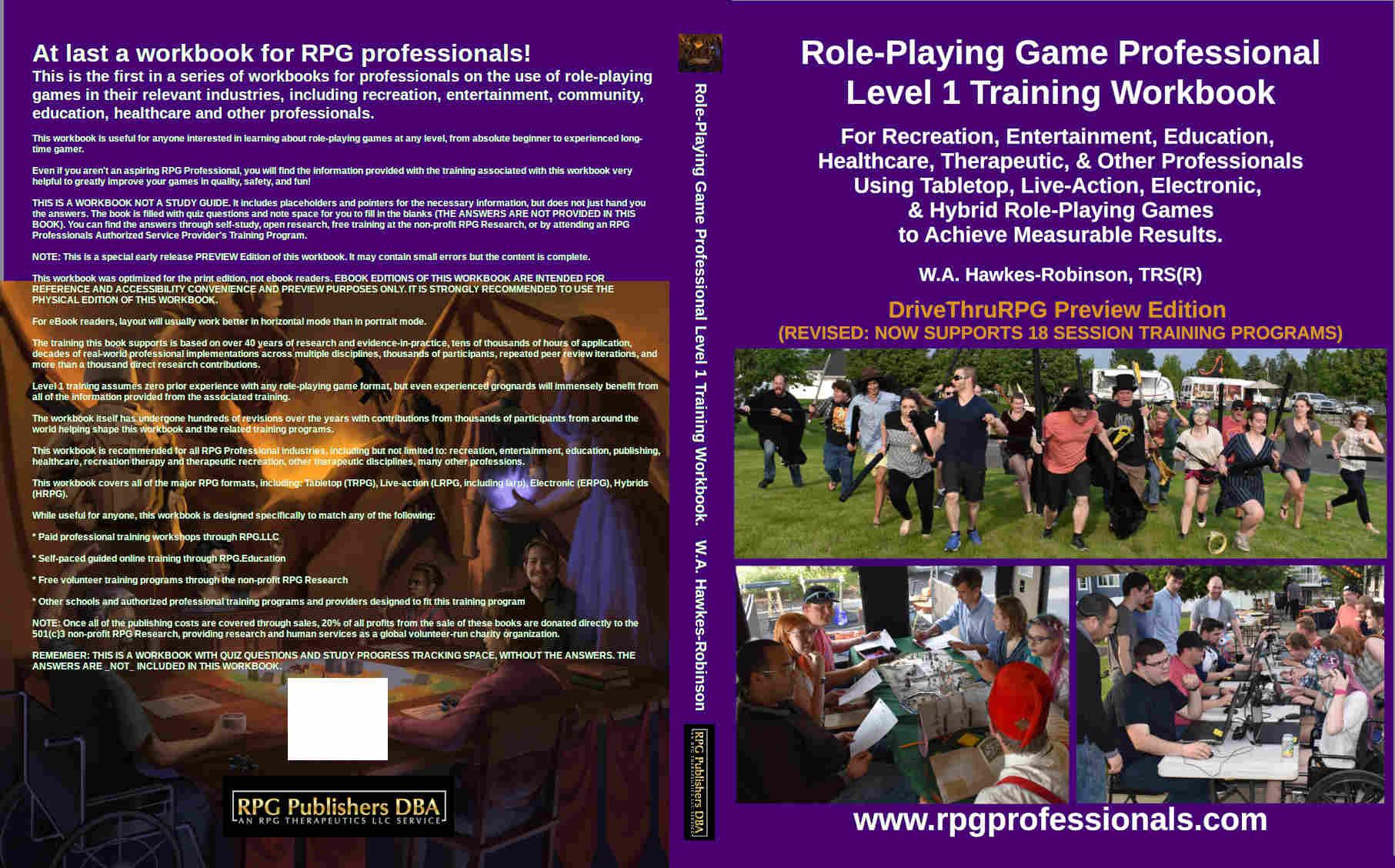
1982+ began providing role-playing game professional game master services.
1982 our founder began to be payed as a professional GM.
1983+ Began formal research on the effects and uses of all RPGs.
1983 we began formally researching the effects and uses of all role-playing game formats, with our first 8 page essay on the topic.
1985+ began providing RPGs in the classroom.
1985 we began providing RPGs in educational settings, as a daily in-school course. 1989 we began using RPGs with incarcerated populations. 1990 we began researching what would lead to later developing the Brain-Computer Interface RPG. 2003 we began researching the therapeutic application of role-playing games to achieve specific measurable goals. 2004 we launched the official RPG Research website as "The RPG Research Project". 2014 our founder incorporated RPG Therapeutics LLC as a for-profit company. 2016 we acquired the first RPG Mobile's first RPG Trailer (later destroyed by vandals, so we acquired the second RPG Trailer a few months later. 2017 we officially incorporated RPG Research as a 501(c)3 non-profit (we had always been a de facto non-profit previously). 2018 we added the RPG Mobile's RPG Bus. 2020 we added the RPG Mobile's third RPG Trailer. 2022 we opened the Role-Playing Game Community Center and started work on trying to open the RPG Museum.
1989+ Began providing and studying RPGs with incarcerated populations
1989 we began using RPGs with incarcerated populations.
1990+ Begin research on Brain Computer Interface (BCI RPG) and NeuroRPG.
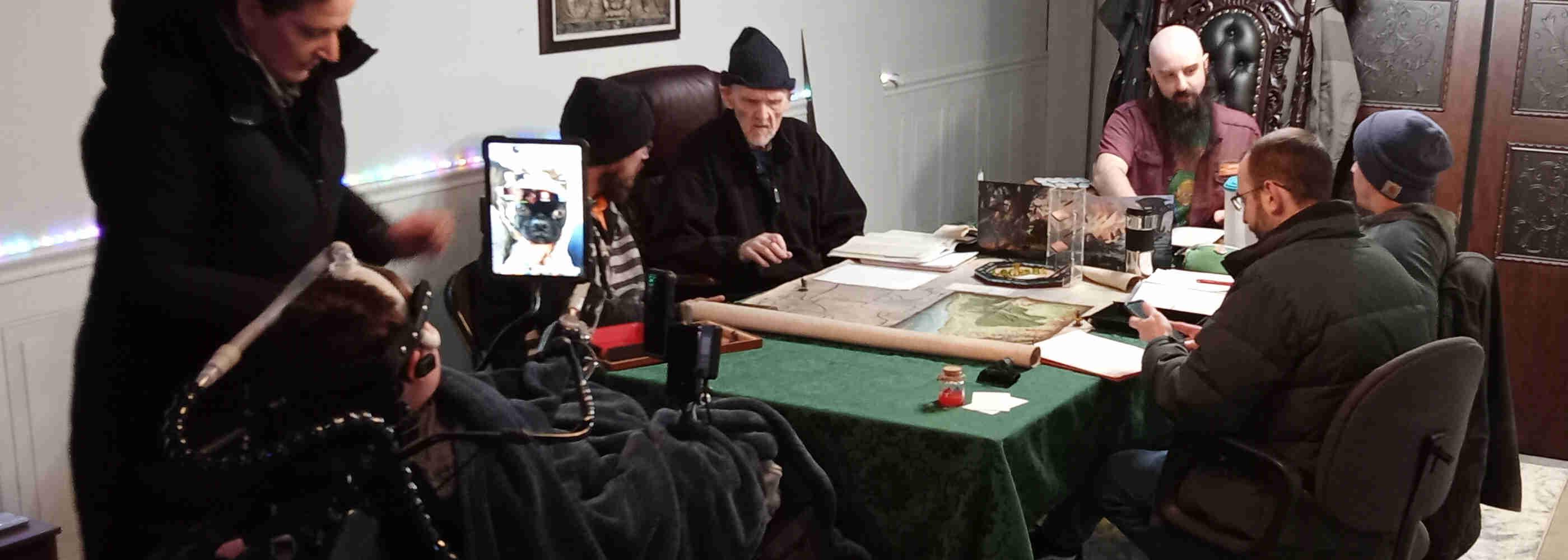
1990 we began researching what would lead to later developing the Brain-Computer Interface RPG.
2003+ Formally researching causal and therapeutic application of RPGs.
2003 we began researching the therapeutic application of role-playing games to achieve specific measurable goals.
2004+ Launched the RPG Research website.
2004 we launched the official RPG Research website as "The RPG Research Project". Providing the world's largest free and open research repository on the effects and uses of all role-playing game formats. There were only about 50-70 studies back in 2004. As of 2022 we had more than 10,000 content items in our repositories covering these topics!
2014+ Other Milestones
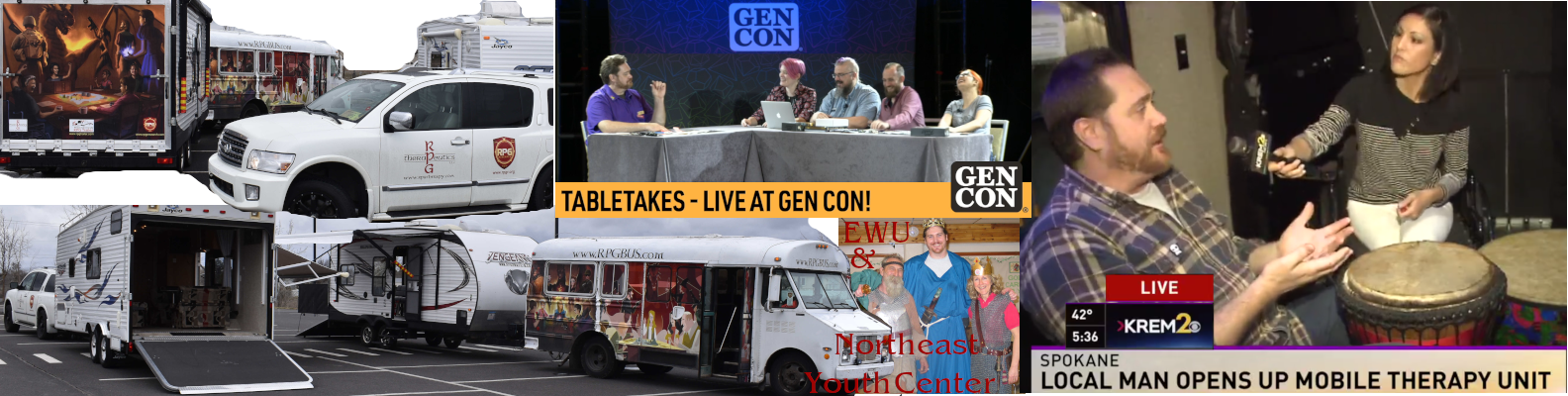
2014 our founder incorporated RPG Therapeutics LLC as a for-profit company. 2016 we acquired the first RPG Mobile's first RPG Trailer (later destroyed by vandals, so we acquired the second RPG Trailer a few months later. 2017 we officially incorporated RPG Research as a 501(c)3 non-profit (we had always been a de facto non-profit previously). 2018 we added the RPG Mobile's RPG Bus. 2020 we added the RPG Mobile's third RPG Trailer. 2022 we opened the Role-Playing Game Community Center and started work on trying to open the RPG Museum.